

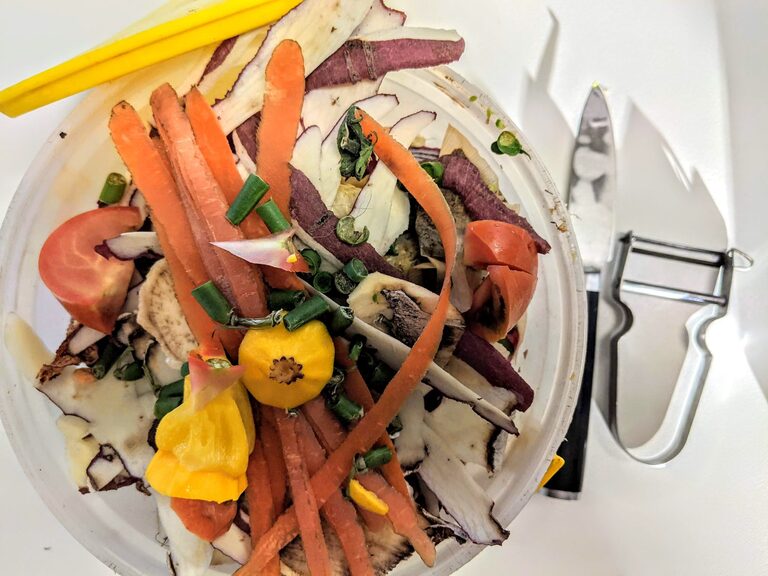
Reducing food waste is an important step toward a more sustainable lifestyle. Not only does it help conserve resources and reduce environmental impact, but it can also save families money. Fortunately, there are many practical ways to cut down on wasted food right in your own kitchen. In this post, we’ll explore effective strategies to reduce food waste at home, from smarter shopping to creative cooking.
Why Reducing Food Waste Matters
Before diving into tips, it’s worth understanding why food waste is such a big issue. Globally, about one-third of all food produced is wasted. This means resources like water, energy, and labor are used to grow food that isn’t eaten. Plus, food waste in landfills produces methane, a potent greenhouse gas. Reducing waste helps protect the environment and supports a more efficient food system.
Smart Shopping Habits
Plan Your Meals
One of the best ways to reduce food waste is to plan meals ahead of time. Creating a weekly meal plan helps you buy only what you need, avoiding impulse purchases that often go unused. Write down your meals and snacks, then make a precise shopping list based on the ingredients required.
Check Your Pantry and Fridge First
Before heading to the store, check your pantry, fridge, and freezer to see what you already have. This prevents buying duplicates and encourages using up existing food before it spoils.
Buy in Appropriate Quantities
Buying in bulk can be economical but not always practical if the food spoils before being used. Purchase fresh items in quantities that match your consumption rate. For example, if you don’t eat a lot of fresh herbs, consider buying smaller bunches or growing them at home.
Proper Storage Techniques
Understand Food Storage Basics
Proper storage can significantly extend the shelf life of produce and other perishables.
– Store fruits and vegetables separately, as some fruits emit ethylene gas that speeds up spoilage.
– Keep herbs fresh by trimming stems and placing them in water like cut flowers.
– Use airtight containers for leftovers and opened packages to maintain freshness.
Use Clear Containers
Using clear storage containers makes it easier to see what food you have, so you’re less likely to forget about items until they’re past their prime.
Use Leftovers Creatively
Incorporate Leftovers Into New Meals
Leftovers don’t have to be boring or wasted. Use them as ingredients in soups, salads, casseroles, or sandwiches. For example, leftover roasted vegetables can be turned into a tasty frittata or pasta sauce.
Freeze Surplus Food
Freezing is an excellent way to extend the life of cooked meals, fresh bread, fruits, and even some vegetables. Label and date containers so you know what’s inside and when it was stored.
Monitor and Manage Expiration Dates
Understand Date Labels
“Sell by,” “use by,” and “best before” dates can be confusing. Many foods are still safe to eat beyond these dates if stored properly. Use your senses—smell, sight, and taste—to judge freshness.
Rotate Your Pantry
Practice the first-in, first-out method by placing newer items behind older ones. This encourages using older products before they expire.
Composting Food Scraps
Even with all these efforts, some food scraps are inevitable. Composting is a great way to divert organic waste from landfills and create nutrient-rich soil for gardening.
– Use a compost bin or pile in your backyard.
– Include fruit and vegetable peelings, coffee grounds, eggshells, and yard waste.
– Avoid composting meat, dairy, or oily foods to prevent pests.
Educate and Involve Your Household
Reducing food waste is easier when everyone in the household is on board.
– Share meal plans and leftovers.
– Teach children about the importance of food conservation.
– Make reducing waste a fun challenge or goal for the family.
Bonus Tips
– Keep a “use soon” bin in the fridge for food items that need to be consumed quickly.
– Try portion control when cooking to avoid making more than needed.
– Preserve excess produce by pickling, drying, or canning.
Conclusion
Reducing food waste at home is achievable with intentional habits and simple changes. By planning meals, shopping wisely, storing food properly, and being creative with leftovers, you can make a big difference. Not only will you save money, but you’ll also contribute to a healthier planet. Start with one or two of these tips today and build sustainable habits that benefit your home and the environment.