

Creativity isn’t just for artists, writers, or designers—it’s a valuable skill that can enrich anyone’s life. Whether you work in a creative field or not, practicing creativity every day can help you solve problems, boost your mood, and make even ordinary tasks more enjoyable. The good news is that you don’t need special tools or a lot of free time to nurture your creative side. Here are simple, practical ways to practice creativity every day.
Why Practice Creativity Daily?
Before diving into the tips, it’s helpful to understand why daily creativity matters. Like any skill, creativity improves with consistent practice. It trains your brain to think in new ways and helps you stay adaptable. Creativity also encourages curiosity and confidence, which can positively impact your personal and professional life.
Simple Daily Habits to Boost Creativity
1. Keep a Journal or Sketchbook
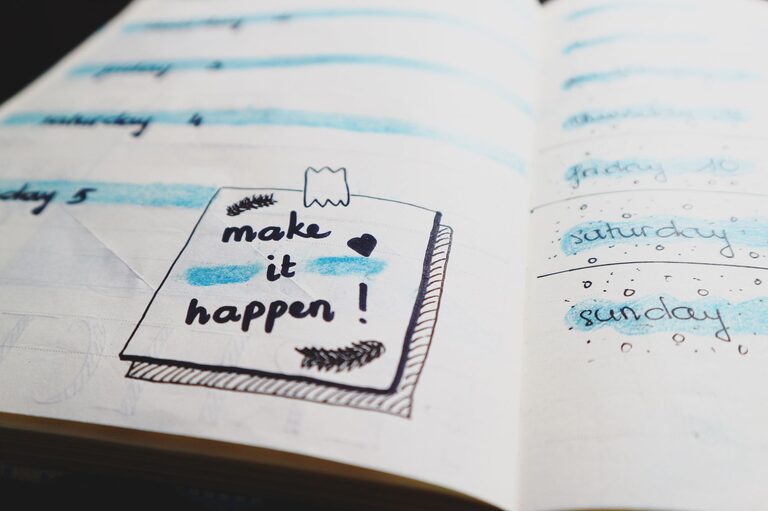
Writing or drawing daily can be a powerful creative exercise. Use a journal or sketchbook to jot down ideas, doodle, or document moments that inspire you. You don’t have to write a novel or create a masterpiece—just capturing thoughts regularly improves your creative flow.
2. Try a Daily Creative Prompt
Find short prompts online or create your own—like writing a sentence, making a quick sketch, or imagining a different ending to a story. Prompts help jumpstart your imagination and encourage you to think outside your usual mindset.
3. Change Your Routine
Creativity often thrives on new experiences. Try changing small parts of your daily routine, like taking a different route to work or trying a new recipe. These simple shifts can spark fresh ideas and perspectives.
4. Limit Screen Time and Daydream
Spending less time on screens and more time letting your mind wander can benefit creativity. Daydreaming isn’t wasted time—it helps connect ideas and fosters original thinking. Try sitting quietly for a few minutes each day, letting your thoughts flow freely.
5. Practice Mindfulness or Meditation
Mindfulness and meditation create mental space for creativity by reducing stress and increasing focus. Even a few minutes a day can help clear your mind, making room for new ideas to surface.
6. Explore Different Art Forms
You don’t have to be an expert painter or musician to try new creative activities. Experimenting with different art forms—like photography, crafting, or cooking—can open new creative channels and keep the process fun.
7. Collaborate and Share Ideas
Creativity can be contagious. Discussing ideas with friends, colleagues, or online communities can provide new perspectives and inspiration. Collaboration also helps refine your thoughts and encourages creative risk-taking.
8. Set Small, Achievable Goals
Rather than waiting for a big idea to strike, set small creative goals—like writing a poem, taking photos of interesting textures, or brainstorming new solutions at work. These small wins build your creative confidence over time.
Overcoming Creative Blocks
Even with daily practice, creative blocks happen. When they do:
– Take a break and do something different.
– Change your environment, like working outdoors or rearranging your workspace.
– Use freewriting—write nonstop for five minutes without worrying about grammar or content.
– Remind yourself that mistakes are part of creativity.
Final Thoughts
Cultivating creativity daily doesn’t require grand gestures or special talents. By incorporating simple habits like journaling, trying new activities, and allowing yourself time to daydream, you can nurture your creativity in meaningful ways. Remember, creativity is a muscle—the more you use it, the stronger it gets. Start small and enjoy the process of discovering new ideas every day.