

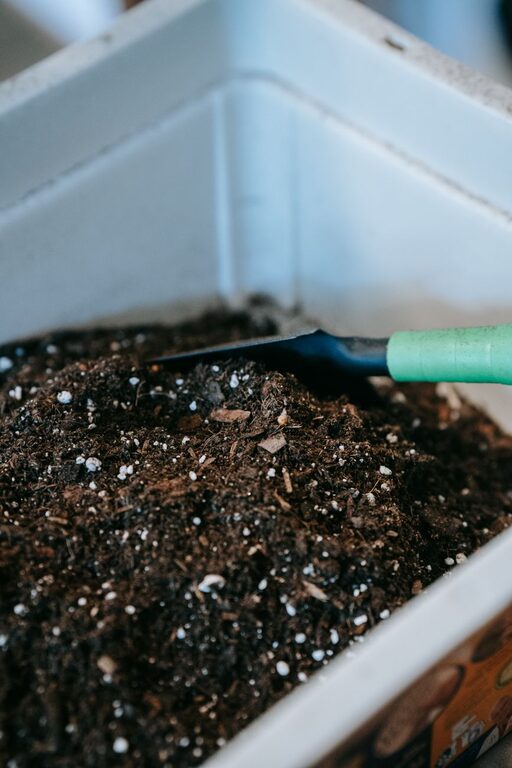
Composting at home is a fantastic way to reduce waste, enrich your soil, and contribute to a healthier environment. If you’re new to composting, it might seem a bit overwhelming at first, but it’s actually quite simple once you understand the basics. This guide will walk you through beginner-friendly tips for starting composting in your own backyard or even indoors.
What Is Composting?
Composting is the natural process of recycling organic materials like kitchen scraps and yard waste into a rich soil amendment known as compost. This “black gold” is full of nutrients and improves soil structure, helping plants grow healthier.
Benefits of Composting at Home
– Reduces landfill waste and greenhouse gases
– Saves money on fertilizers and soil conditioners
– Improves garden soil fertility and moisture retention
– Encourages beneficial soil organisms
– Makes gardening more sustainable and eco-friendly
Getting Started: What You’ll Need
Before you start composting, gather a few basic items:
– Compost bin or pile: You can buy a bin, build one, or simply designate an outdoor spot for your pile.
– Kitchen container: A small container with a lid to collect food scraps indoors.
– Aeration tool: A garden fork or compost aerator to turn your pile every few weeks.
– Water source: Compost needs moisture, so keep a watering can or hose nearby.
Choosing a Compost Bin
You can compost using different setups depending on your space:
– Outdoor bins: These keep compost contained and can be rotating or stationary.
– Compost tumblers: Enclosed containers that spin easily for faster mixing.
– Open piles: Just stack materials in a corner of your yard.
If outdoor space is limited, consider an indoor worm composting bin (vermicomposting), which is great for apartments.
What to Compost: Greens and Browns
Successful composting relies on a good balance between “greens” and “browns”:
– Greens (Nitrogen-rich): Kitchen scraps like fruit and vegetable peels, coffee grounds, tea bags, fresh grass clippings, and green leaves.
– Browns (Carbon-rich): Dry leaves, straw, shredded newspaper, cardboard, sawdust, and small wood chips.
What to Avoid
Certain items should not go into your compost pile because they attract pests or take too long to break down:
– Meat, dairy, and oily foods
– Pet waste
– Diseased plants
– Weeds with seeds
– Treated wood or synthetic materials
Step-by-Step Composting Process
- **Layer your materials:** Start with a layer of browns, then add greens. Alternate layers about 3-6 inches thick.
- **Moisten your pile:** Keep the compost moist like a damp sponge, but not soaking wet.
- **Turn the pile:** Every 1-2 weeks, use a pitchfork to mix and aerate the compost. This speeds up decomposition.
- **Wait and monitor:** Decomposition can take a few months to a year depending on conditions and materials.
- **Harvest your compost:** When the material is dark, crumbly, and smells earthy, it’s ready to use.
Tips for Faster Composting
– Chop or shred materials into smaller pieces.
– Keep the compost moist but not soggy.
– Turn the pile regularly to provide oxygen.
– Maintain a balance of greens and browns.
– Consider adding a compost starter or finished compost to introduce beneficial microbes.
Using Your Finished Compost
Once you have rich, finished compost, here’s how to use it:
– Mix it into garden beds to improve soil texture and fertility.
– Use it as mulch around plants to retain moisture and suppress weeds.
– Incorporate into potting soil mixes for container plants.
– Spread it on your lawn to add nutrients.
Troubleshooting Common Compost Issues
– Bad odors: Often caused by too much moisture or too many greens; add more browns and turn the pile.
– Slow decomposition: May need more greens, water, or oxygen; chop materials smaller and turn more often.
– Pests: Avoid adding meat or oily foods; secure your bin and cover food scraps with browns.
Composting in Small Spaces
If you don’t have a yard, you can still compost:
– Vermicomposting: Use worms to break down food scraps in a small indoor bin.
– Bokashi composting: A fermentation process that works indoors and handles all food waste.
– Use community composting programs if available.
Final Thoughts
Starting composting at home is a rewarding and environmentally friendly habit. Remember to be patient, keep a good balance of materials, and enjoy watching your waste transform into valuable soil. With these beginner tips, you’re well on your way to becoming a successful home composter!
Happy composting!